
Tobacco Stalk Puller: The Complete Guide to Removing Tobacco Stalks After Harvest
The harvest is over, but the season isn't. Left-behind tobacco stalks and roots carry pests and diseases straight into next season. This guide explains why stalk destruction matters and how a tobacco stalk puller does the job in a fraction of the time.
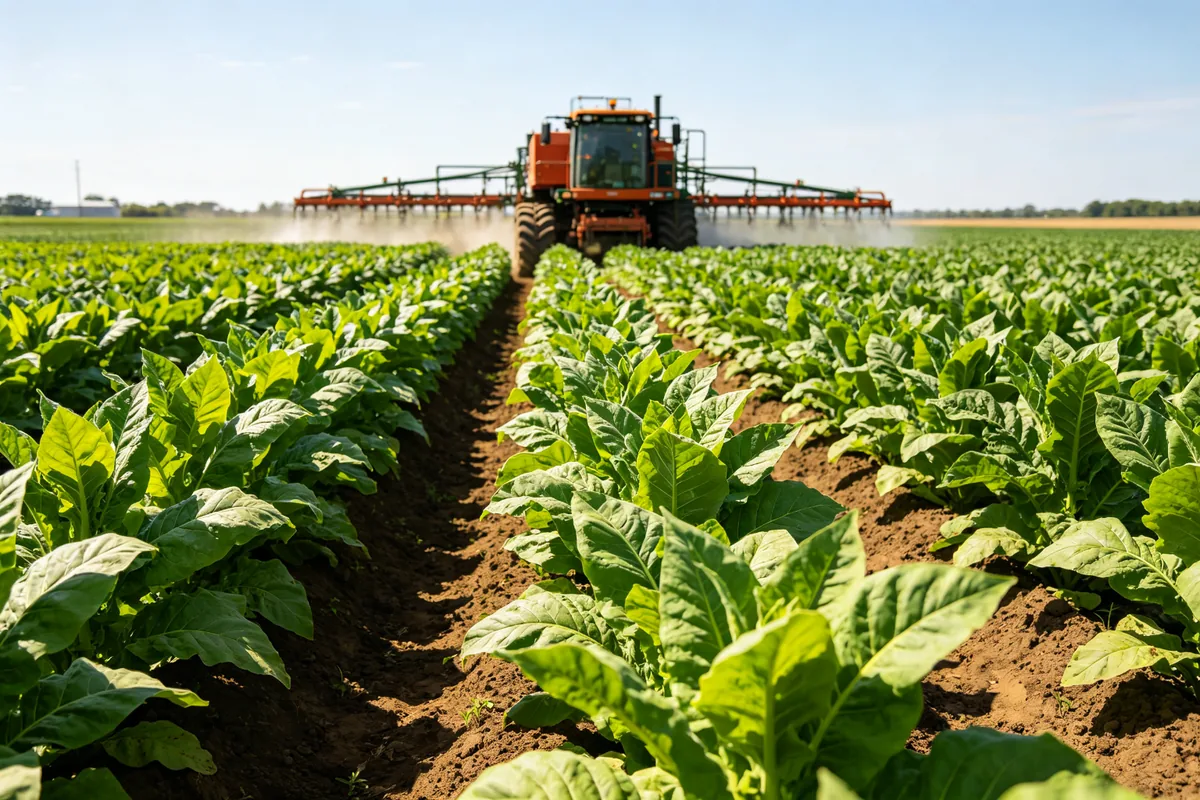
1. Why Removing Tobacco Stalks After Harvest Matters
Once the last leaf is primed, tobacco plants look finished — but they are still alive, and their root systems are still in your soil. Leaving stalks standing or cutting them off at ground level creates three serious problems:
- Pests and diseases overwinter in stubble and roots. Viruses, soil-borne pathogens, and insects survive between seasons in leftover stalks and root fragments, then infect the next crop. This is why most tobacco good-practice and crop-hygiene programs require complete stalk and root destruction after harvest.
- Stumps regrow. Cut stalks sucker again and regrow, stealing moisture and nutrients from rotation crops and making land preparation harder.
- They block land preparation. Standing or half-rotted stalks interfere with tillage, ridging, and mulch laying for the following season.
In short: what you do in the two weeks after the final harvest shapes next season's yield.
2. Manual Removal vs. Mechanical Stalk Pulling
Manual Uprooting
Hand uprooting each plant works, but it is brutal work: one laborer can only clear a small area per day, the work peaks exactly when farm labor is scarcest, and roots often snap off and stay in the soil — leaving disease reservoirs behind anyway.
Cutting Without Uprooting
Slashing or chopping stalks at the base is fast but solves almost nothing: the root system — the main overwintering site for pests and pathogens — stays in the ground, and regrowth begins within days.
Mechanical Pulling with a Stalk Puller
A tobacco stalk puller solves the root-removal problem directly. Instead of cutting, it grips each stalk and pulls the whole plant — stalk and complete root system — out of the soil in one motion, then lays the uprooted plants in rows where they can be collected and destroyed.
3. How the DINGHENG Tobacco Stalk Puller Works
The DINGHENG Tobacco Stalk Puller is designed around the realities of post-harvest fields:
- Pulls, doesn't cut: The machine extracts whole plants with their root systems, so nothing disease-carrying is left underground.
- Works along existing rows: It follows the tobacco rows laid out at transplanting, so no re-planning of the field is needed.
- Rows the stalks for collection: Uprooted stalks are laid in an orderly windrow, easy to gather, transport, and destroy away from the field.
- Simple, rugged construction: Few moving parts, easy field maintenance, and spare parts support from our spare parts range.
Watch the machine working in the field:
Watch: Tobacco Stalk Puller in Action
For detailed specifications and a quotation, contact us on WhatsApp — tell us your acreage and tractor model and we'll confirm the right setup.
4. Best Practices for Stalk Removal
Time It Right
Pull stalks as soon as possible after the final priming. Soil moisture is the key variable: in bone-dry, hardened soil roots snap and stay buried; in waterlogged fields machines lose traction. Many growers pull shortly after a rain or light irrigation for clean extraction.
Collect and Destroy — Don't Just Uproot
Uprooting is only half the job. Collected stalks should be removed from the field and destroyed (composted away from tobacco land or disposed of according to local crop-hygiene rules). Leaving windrows to rot beside the field defeats the purpose.
Follow With Land Preparation
With stalks gone, the field is immediately ready for tillage and ridging — see our tractor ridger guide — or for establishing a rotation crop.
Consider Baling for Handling
For large areas, a hydraulic tobacco baler can press stalks and leaf waste into dense bales, making field cleanup and transport dramatically more efficient.
5. Where the Stalk Puller Fits in the Full Mechanization Cycle
Stalk removal is the final step of the tobacco season — and the first step of the next one. A fully mechanized tobacco cycle with DINGHENG equipment looks like this:
- Land preparation: tillage and ridging (ridger / bed former)
- Transplanting: tobacco transplanter
- Crop management: mulch layer, inter-row cultivation, irrigation with a diesel water pump
- Harvest & post-harvest: hydraulic baler for leaf and stalk handling
- Season close-out: tobacco stalk puller — reset the field for the next crop
Covering every stage with compatible machinery is what turns mechanization from a single purchase into a complete farming system.
6. Related Resources
- Tobacco Farming Equipment: Essential Machinery for Modern Tobacco Production
- Complete Tobacco Farming Mechanization Guide
- Tractor Mounted Ridger / Bed Former Guide
- Tobacco Farming in Malawi: Market Guide
- Tobacco Farming in Zimbabwe: Market Guide
Get a Free Consultation
Want to see whether the DINGHENG Tobacco Stalk Puller fits your fields? Send us your acreage, crop, and tractor details for a free recommendation.